.svg)
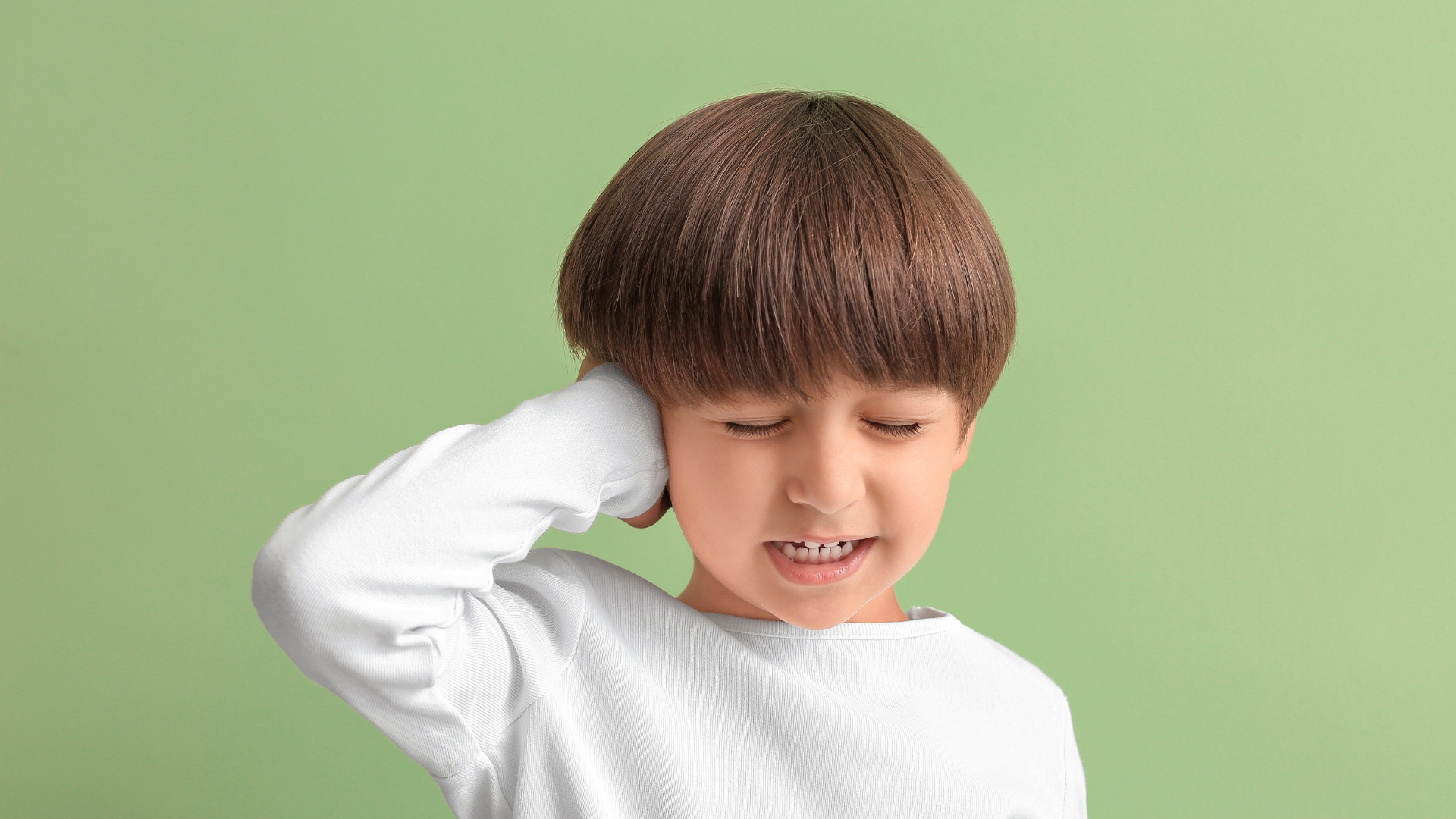
What is otitis?
An otitis is an inflammation of the ear, usually caused by a viral or bacterial infection. Children are particularly vulnerable to it because of the shape and size of their Eustachian tubes, which can be blocked more easily.
In fact, otitis represents the most common cause of temporary hearing loss in children. According to the OOAQ, nearly 90% of children will have at least one otitis by the age of 2. Some even go unnoticed, without pain or fever, but can still influence language and communication development.
There are three main types of otitis:
- Acute otitis media (OMA)
- Otitis media with effusion (OME)
- Otitis externa
Of these, acute otitis media is the most common, both in children and in adults.
Possible symptoms
The signs of otitis vary depending on the age and type of infection. The most common symptoms include:
- Pain in the ear, often sudden and intense
- Fever, especially for young children
- Hearing decrease
- Blocked ear sensation
- Irritability Or crying in toddlers
- Tinnitus, that is, a buzzing or ringing sound in the ear..
Why is nasal hygiene so important?
A congested nose favors otitis. Regularly cleaning the nostrils with saline solution helps secretions to escape and reduces the risk of infection. The benefits are numerous :
- Breathing easier
- Improved sleep
- Reduced congestion
- Prevention of otitis and sinusitis
How to practice nasal hygiene?
Nasal hygiene should be soft, regular and age-appropriate. Here is a simple and safe approach :
*Recommended steps:
- Preparing a saline solution : commercial physiological solution or homemade solution (cooled boiled water + iodine-free salt + baking soda). Use the solution at body temperature.
- Set the person up comfortably : the position will be adapted to age (lying on your side, on your back or sitting), with your head straight or slightly tilted forward depending on the technique.
- Gently instill the solution into one nostril using: a syringe, a bottle or a spray bottle, without excessive pressure (about 1mL/second).
- Let it work for a few seconds : the solution liquefies the secretions and facilitates their evacuation.
- Wipe or blow the child's nose if possible : use a baby spray if necessary, without too strong suction.
- Repeat the procedure in the other nostril, then start again as required until the nose is clear.
- Adapt the frequency and quantity: depending on age, tolerance and congestion status (more common in case of a cold or congestion).
- Pay particular attention to children : as the pediatric method at CHU Sainte-Justine reminds us, young people do not always blow their nose effectively. Nasal hygiene helps them breathe better, sleep better and reduces the risk of otitis.
*Method inspired by the CHU Sainte-Justine nasal hygiene guide. Refer to this guide for the complete steps of nasal irrigation techniques, which are explained in detail in this guide.
When to consult?
If the pain persists, if the fever is high, or if the hearing seems to be reduced, it is recommended that you consult a health professional. Specialized care may sometimes be necessary to avoid complications and to protect auditory and language development.
Clinique Audia — Audiology in Montreal
Ava Azarnia and Shabnam Arzani
Audiologists and Co-founders of Clinique Audia